Unlocking the Construction Intelligence Meaning: How Bolster is Transforming the Industry
Defining the Future of Building
The construction industry is evolving at an unprecedented pace, shifting away from legacy workflows toward modern digital infrastructure that prioritizes precision and speed. Today, construction leaders are looking for ways to maximize efficiency and scale operations seamlessly across entire organizations, especially when handling massive developments like data centers.
For decades, the business relied heavily on fragmented systems and gut intuition, leading to unnecessary risk and frequent delays. Now, new technologies are creating a new standard for operational excellence, pushing the boundary of what contractors can achieve with modern technology. Understanding the construction intelligence meaning is the first step toward this digital transformation and securing a lasting competitive advantage.
What is the Construction Intelligence Meaning?
At its core, Construction Intelligence refers to the use of data, analytics, and technology to gain insights and make informed decisions in the construction industry, improving efficiency and reducing costs.
This concept goes far beyond simply collecting raw site data; it is about building a living digital model of your projects. It involves transforming that data into actionable insights and increased visibility for every project type, empowering teams to act decisively.
Construction intelligence is used across the entire project lifecycle, helping firms with tight profit margins boost efficiency. By leveraging Construction Intelligence, companies can enhance productivity, reduce costs, improve safety, and deliver projects on time and within budget.
Breaking the Silos of Fragmented Data
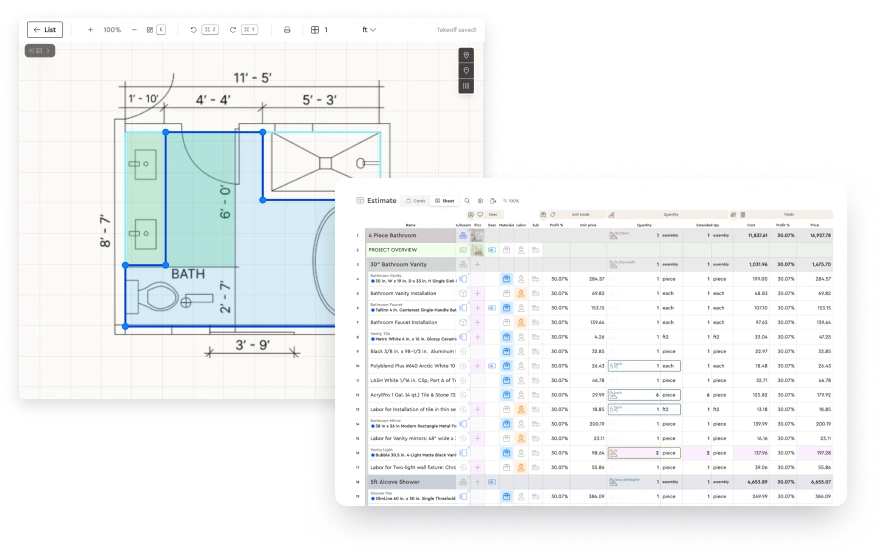
The construction industry has made progress in digitizing workflows, but many tools still operate independently, generating fragmented datasets that limit teams' ability to anticipate future challenges.
Construction projects often suffer from fragmented datasets that require manual interpretation, limiting teams' ability to anticipate risks; integrated intelligence aims to overcome this challenge by providing a unified view of project data. Integrated intelligence in construction connects data across design, planning, and execution, generating insights that support earlier and more confident decision-making. Data-driven decision-making allows project leaders to base decisions on live KPIs, financial metrics, and resource availability.
Effective use of data and analytics in construction can help organizations identify emerging risks, understand root causes, and forecast downstream impacts, which are essential for informed decision-making.
The Role of ai and Advanced Technology in Construction
Artificial intelligence (ai) acts as a massive force multiplier in the modern building process, taking workflow automation to incredible new heights.
Generative design uses algorithms to evaluate thousands of architectural variables simultaneously and generate optimized structural designs based on performance, material constraints, and local regulations. This comprehensive analysis helps contractors optimize their resources. Automated estimating platforms ingest historical project details to quickly forecast accurate cost estimations, protecting profit margins during competitive bidding.
Furthermore, ai can analyze client bid documents and contracts to highlight risky clauses and inconsistencies before a project begins. On the job site, machine learning models scan sites to spot safety violations such as a worker missing personal protective equipment (PPE) or standing too close to heavy machinery. Natural Language Processing (NLP) allows project managers to query thousands of pages of specifications and daily logs in seconds, reducing administrative busywork.
Turning Sites into an Efficient Machine
To truly optimize the project lifecycle, complete visibility is key; creating an efficient machine out of every job site requires precise tracking. Computer vision tools analyze footage from jobsite cameras to track physical progress against architectural models and enforce safety protocols. Smart cameras powered by ai continuously analyze video feeds to measure real-time project completion percentages and track material delivery flows.
Even equipment is getting smarter. IoT sensors attached to heavy equipment track metrics like vibration and temperature to diagnose potential failures before a critical breakdown. Construction intelligence empowers firms to understand market dynamics, optimize bidding processes, and deliver projects on time and under budget.
Mitigating Risks with Predictive Analytics
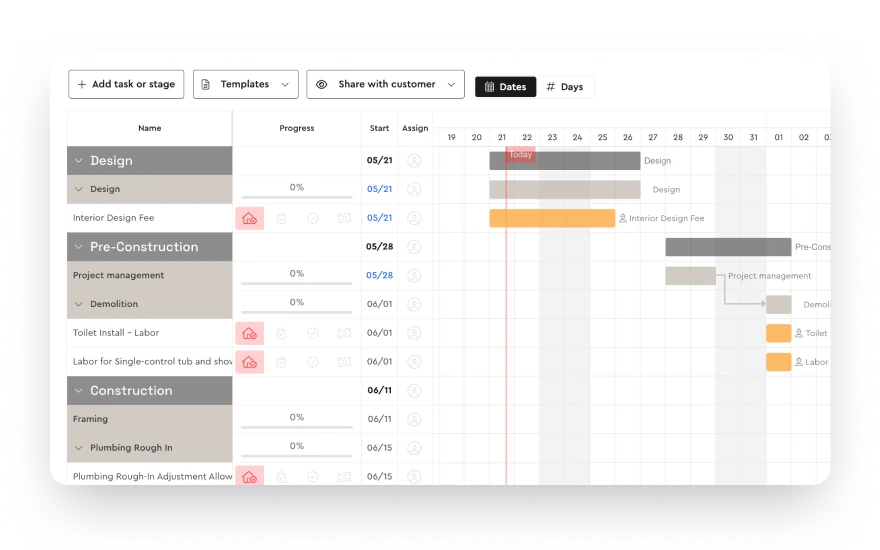
Risk mitigation is a constant priority for any experienced project leader managing complex systems and massive labor forces. The integration of project data through integrated intelligence helps reduce uncertainty before it becomes disruption, addressing systemic project risks earlier. Predictive risk mitigation uses historical data and real-time inputs to forecast cost overruns, material shortages, and scheduling delays before they happen. Project management engines evaluate variables like labor availability and supply chain dynamics to keep timelines on track.
Instead of relying on guesswork, construction intelligence provides data-backed evidence for executive choices, enabling faster responses and improving bidding processes. Utilizing predictive analytics yields predictive insights that fundamentally change how project leaders evaluate risk and execute their deep analysis.
Bolster: Your Advanced Construction Intelligence Platform
Bolster stands out as an advanced construction intelligence platform designed for the most demanding contractors and organizations worldwide. We provide a robust construction intelligence platform that excels at creating a living digital model of your daily field operations. This foundational AI model acts as a dedicated partner and force multiplier, offering actionable insights to drive continuous improvement.
Building a data-ready infrastructure requires deep expertise, and Bolster brings that specialized expertise to scale across your company. For complex builds like data centers, establishing a strict operational standard is essential to maintain consistent progress. Construction intelligence impacts every phase of a build, shifting the industry from a reactive approach to a proactive, automated workflow that brings vast improvements.
Driving Operational Excellence at Scale
Driving operational excellence requires more than just access to software; it requires unified, fully connected systems. Data-driven insights in construction can enhance productivity, reduce costs, improve safety, and ensure projects are delivered on time and within budget. The same nuance an experienced project leader possesses is meticulously embedded into Bolster’s algorithms and domain expertise.
We help project teams and project leaders identify root causes of unforeseen delays, ensuring much more effective planning overall. Ultimately, Bolster serves as an incredible force multiplier, mitigating risks across multiple construction projects simultaneously.
Conclusion: Building the Digital Infrastructure of the Future
Investing in Construction Intelligence is crucial for remaining competitive in the construction industry, as it maximizes energy and resources while generating better profits. Most organizations now realize that upgrading their digital infrastructure is the only viable path to long-term success.
Bolster is committed to supporting entire organizations in achieving this new operational standard, whether they are building commercial high-rises or expansive data centers, while maximizing visibility and efficiency.
Embrace the future of the construction industry with Bolster, your reliable partner in building the world’s most advanced systems through true technology innovation. Let our powerful construction intelligence platform guide your company toward unparalleled success, delivering elite improvements in job site safety, operational scale, and overall business growth.